A powerful GMC truck or SUV needs reliable stopping power to match its performance. Your modern braking system relies on mechanical, hydraulic, and electronic components working in harmony. Recognizing early warning signs helps you maintain optimal safety. Martinsburg, WV, drivers can contact Opequon Motors to schedule an expert inspection and keep their vehicle running smoothly.
What Are the Main Components of a GMC Brake System?
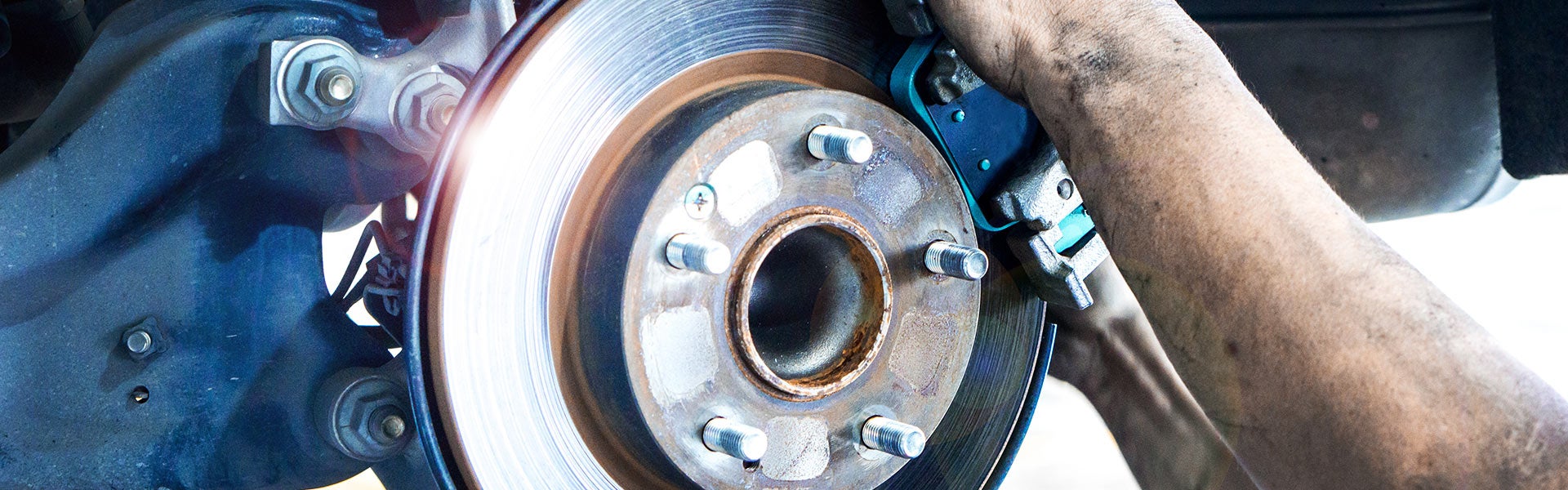
Most modern GMC vehicles use disc brakes featuring brake pads, rotors, calipers, hydraulic lines, and brake fluids. Pressing the brake pedal creates hydraulic pressure, forcing the calipers to squeeze the brake pads against the rotating rotors. This friction slows the wheels. Since these parts endure intense heat and wear, routine inspections remain essential.
What Does the Brake Master Cylinder Do?
The master cylinder converts your brake pedal force into hydraulic pressure. This pressure travels through lines and hoses to operate each wheel's brakes. A brake booster reduces the physical effort needed to press the pedal. A failing master cylinder or hydraulic leak causes a sinking pedal, inconsistent pressure, or reduced stopping power, demanding immediate attention.
What Is the Anti-Lock Braking System?
The Anti-Lock Braking System (ABS) prevents wheel lockup during hard breaking. Wheel-speed sensors monitor rotation while control units adjust pressure if they detect wheel slip. ABS allows you to maintain steering control during emergency stops. While pedal pulsation is normal during activation, an illuminated ABS warning light signals a problem requiring professional diagnosis.
What Are the Signs of Failing Brake Pads?
Worn brake pads often produce squealing, scraping, or grinding noises. Built-in wear indicators create a high-pitched sound as the friction material wears down. Grinding means the material has completely worn away, causing metal to scrape against the rotor. Longer stopping distances, poor responsiveness, or unusual vibrations warrant a prompt inspection.
Why Does My GMC Shake When Braking?
A vibrating steering wheel or brake pedal usually points to uneven rotor thickness or irregular friction deposits. Since steering and suspension issues create similar symptoms, a complete professional inspection is crucial. A certified technician measures rotor thickness, checks pad condition, and determines if your rotors need resurfacing or replacing.
What Does a Soft or Spongy Brake Pedal Mean?
A spongy pedal indicates air in the hydraulic lines, deteriorated fluid, leaks, or a failing master cylinder. Brake fluid transfers hydraulic pressure and requires routine replacement to meet operating standards. If your pedal suddenly sinks to the floor, pull over safely and seek immediate professional assistance.
How Often Should GMC Brakes Be Inspected?
Inspection intervals depend on your vehicle type and driving habits. Stop-and-go traffic, mountain driving, towing, and hauling heavy loads accelerate brake wear. Always follow your maintenance schedule and arrange inspections when warning signs appear. At Opequon Motors in Martinsburg, WV, drivers can quickly schedule expert brake service to keep critical components functioning safely.